

For those who have walked through the valleys of addiction or incarceration, life on the other side can feel both freeing and overwhelming. The doors to recovery may be open, but what happens after? At Balanced Life Ministry, we believe that life after recovery is just as sacred as the journey itself. And one of the most powerful tools for healing and growth is something many of us take for granted: work.
In this guide, we’ll explore the vital connection between work and purpose in the context of recovery, how transitional support makes long-term change possible, and what the church and community can do to help. If you or someone you love is navigating life after recovery or reentry, this is for you.
Why Work Matters After Recovery or Incarceration
Work is more than just a paycheck; it’s identity, structure, dignity, and connection. After recovery or prison, it becomes a cornerstone for rebuilding a balanced, meaningful life.
1. Restoring Dignity and Self-Worth
In Proverbs 14:23, we read, “All hard work brings a profit, but mere talk leads only to poverty.” When someone steps into a role where their time and effort are valued, it restores something more profound than financial stability; it rebuilds self-worth. For many transitioning from recovery, this is the first time in years they’ve felt trusted or capable.
Real Impact
Studies from the National Institute on Drug Abuse show that employment significantly lowers the risk of relapse for those in recovery. Similarly, people with stable jobs are much less likely to return to prison.
2. Creating Structure and Routine
In both addiction recovery and reentry from incarceration, structure is essential. Without it, old patterns can quickly creep in. Work provides a daily rhythm, a place to be, responsibilities to meet, and a sense of progression.
3. Facilitating Positive Social Connections
Community doesn’t just happen in church or in group meetings; it also occurs on lunch breaks, during carpools, or in shared projects. Work can be one of the first places a person in transition begins to build healthy relationships again.
The Role of Faith in Second-Chance Employment
At Balanced Life Ministry, we don’t believe in second chances; we believe in many chances, because that’s what Christ offers. The Gospel is full of stories of restoration: from Peter’s denial to Paul’s transformation from persecutor to preacher.
Faith-Centered Support
Scripture is clear: “If anyone is in Christ, he is a new creation. The old has passed away; behold, the new has come.” (2 Corinthians 5:17). Our approach to transitional housing and job support is grounded in that promise. We walk alongside individuals as they step into new roles, not just as workers, but as disciples of Christ.
Transitional Housing & Job Training: A Practical Path Forward
While some ministries focus on sobriety or spiritual formation alone, we offer something broader: a bridge into real life.
What We Provide at Balanced Life Ministry
Transitional Housing for Recovery
Safe, stable housing is foundational. Without it, holding down a job or maintaining routines becomes nearly impossible. Our housing provides not just shelter, but a community where residents can grow spiritually and relationally.
Job Opportunities After Prison or Recovery
Through partnerships with local employers and businesses, we help residents access meaningful jobs that provide training, growth, and dignity. We also run in-house initiatives that offer hands-on experience in a supportive, grace-filled environment.
Ongoing Discipleship & Mentorship
Residents don’t walk this road alone. Each person is paired with a mentor and has regular access to spiritual counsel, Bible studies, and community worship.
Life Lessons from Recovery: What Work Teaches Us
Work in a recovery context is deeply spiritual. It’s a space where people learn patience, humility, perseverance, and stewardship. In fact, those who have walked through addiction or incarceration often become exceptional employees and mentors, because they’ve already done the hard work of transformation.
A Testimony of Purpose
Take James, for example. After serving time in prison and going through a recovery program, James entered our housing ministry, unsure of what came next. He started working part-time with a local landscaping business through our job partnership program.
Over time, James became a trusted leader on the crew, mentoring younger men coming through the program. Today, he manages the team and leads a Bible study every Wednesday night.
James’s story isn’t rare. It’s what happens when purpose, faith, and opportunity intersect.
Breaking the Stigma: What the Church and Community Need to Understand
One of the most significant barriers for people post-recovery or post-incarceration isn’t skill or willingness, it’s stigma.
Misconceptions About Addiction and Incarceration
Many people assume relapse is inevitable, or that hiring someone with a record is “risky.” But data shows otherwise:
- According to a report by SHRM, 82% of managers say the employees they’ve hired with criminal records perform as well or better than those without.
- Addiction recovery isn’t linear, but access to housing, employment, and community reduces relapse significantly.
When churches and employers choose to step into this space with open hearts and wise accountability, they don’t just support individuals; they help heal families and strengthen the community.
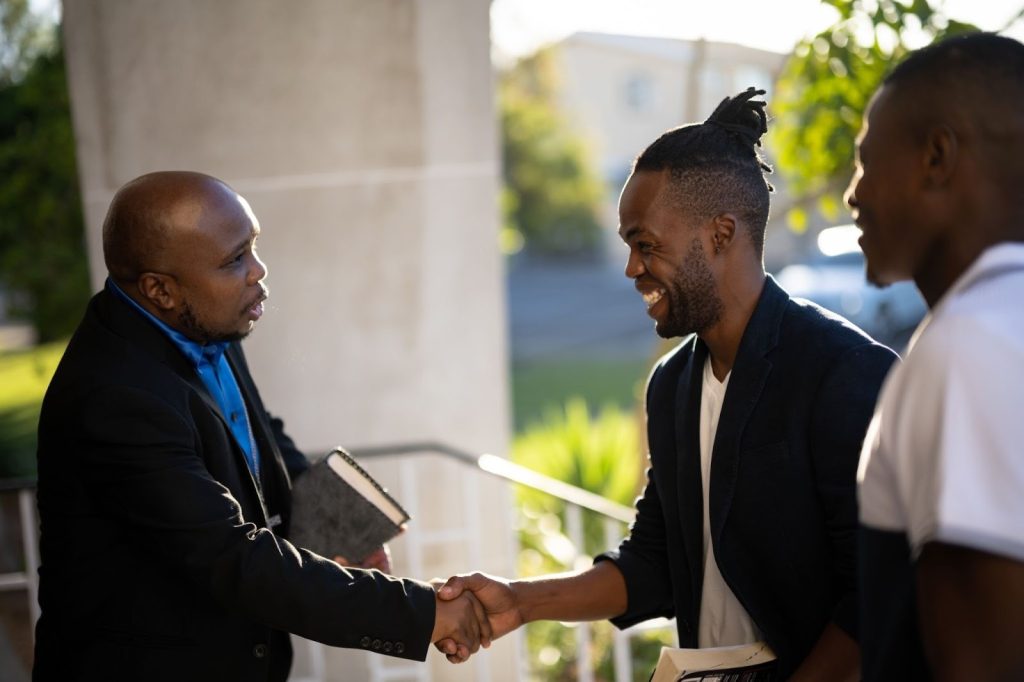
5 Ways Churches Can Support Second-Chance Employment Ministries
Whether your church is large or small, urban or rural, you have a role to play.
1. Start a Job Connection Ministry
Create a network of local employers willing to offer second-chance jobs. Offer resume help, interview practice, and ride shares if needed.
2. Open Your Doors for Skills Workshops
Host free job readiness classes, financial literacy workshops, or trades training. Partner with ministries like ours to identify the needs.
3. Educate Your Congregation
Invite testimonies from those in recovery or reentry programs. Preach about God’s redemptive work in brokenness. Share resources and challenge stigma.
4. Offer Discipleship and Mentorship
Even if someone finds housing and a job, the journey isn’t over. Mentorship can be a lifeline, primarily when it’s rooted in Scripture and prayer.
5. Support with Resources
Whether it’s funding transitional housing, donating tools or equipment, or offering volunteer hours, practical support makes this ministry possible.
For Individuals in Transition: What to Remember
If you’re someone starting over after addiction or prison, here’s what we want you to know:
- You are not your past. Your identity is not in your record, but in Christ.
- You are not alone. There is a community ready to walk with you.
- You have a purpose. God redeems broken stories. Your work can be worship.
Isaiah 43:19 reminds us:
“See, I am doing a new thing! Now it springs up; do you not perceive it?”
Let this be the season where your new thing begins.
Hope-Filled Reflection: God’s Grace in the Workplace
When you’ve walked through addiction or incarceration, the little victories matter, such as showing up on time. Earning a paycheck. Getting your first promotion and sharing your story with someone who’s just starting. These aren’t just achievements, they’re evidence of God’s grace at work.
Every shift punched, every task completed, every coworker helped, it’s all part of your testimony.
As Colossians 3:23 says, “Whatever you do, work at it with all your heart, as working for the Lord, not for human masters.”
FAQs
Is Balanced Life Ministry a recovery program?
No. We do not offer clinical recovery programs. Our focus is on life after recovery, providing housing, job opportunities, and faith-based mentorship for those transitioning into a new chapter.
Who can benefit from your ministry?
Men and women who have completed recovery programs, returned from incarceration, or experienced other major life disruptions (such as divorce or homelessness) and are ready to rebuild with support.
Can churches partner with you?
Absolutely. We welcome partnerships with churches interested in discipleship, job connections, volunteer opportunities, or financial support.
Do you help people find jobs?
Yes. We work with local businesses to create job placement opportunities for individuals in our transitional housing program and the broader community.

Many Stories. One Mission.
At Balanced Life Ministry, we’ve seen it firsthand: when individuals are given the chance to work with dignity, receive discipleship, and have community support, they don’t just survive. They thrive.
Jobs after prison. Housing after recovery. Discipleship for the long haul. That’s what we’re about.
- If you believe in restoration…
- If you’ve been where they are…
- If you want to support a ministry that makes redemption real…
Visit us at https://balancedlifeministry.org to get involved.
You can volunteer, partner with us, or donate to help men and women find lasting purpose through work, housing, and faith.