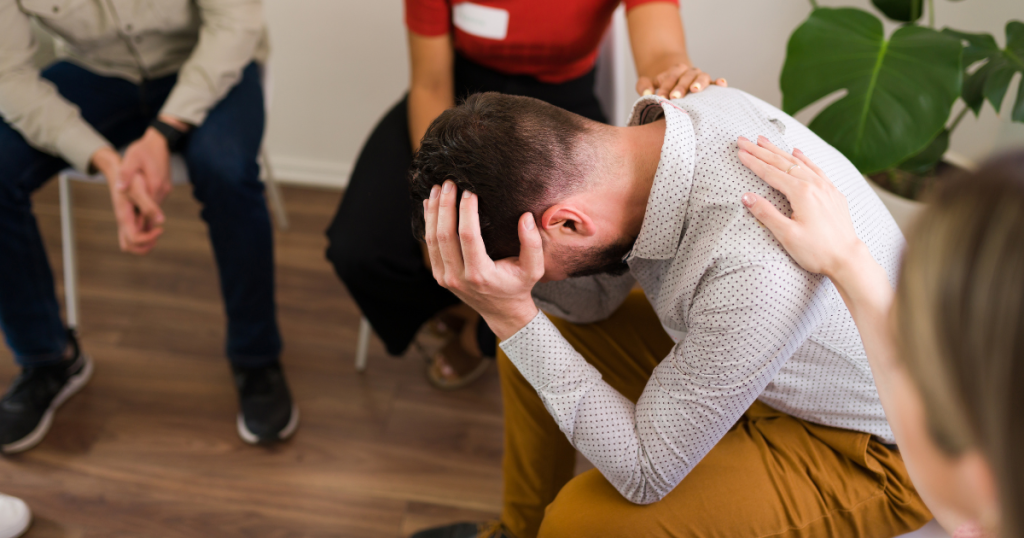

Despite the church being a place of healing and hope, many individuals recovering from addiction or incarceration still feel unwelcome in Christian communities. Why? Because stigma, silent but powerful, still lingers.
Addiction and recovery are not issues that only affect “other people.” They affect our people, our neighbors, our friends, our church members, and our families. And yet, within many churches, these topics are still considered taboo.
At Balanced Life Ministry, a Christian nonprofit in Tennessee, we believe it’s time to change that. Not by shame or shock, but by shining a light on what real recovery looks like after treatment, after incarceration, and after brokenness. Through transitional housing, job support, and Christian discipleship, we help people reclaim their lives and rejoin their communities with purpose.
But none of this happens without a broader shift in how the church talks about, and walks with, those in recovery.
Why Stigma Still Exists in Christian Communities
The stigma around addiction often stems from:
Misunderstanding
Many Christians still view addiction solely as a moral failure rather than a chronic, complex condition influenced by trauma, mental health, environment, and genetics.
Fear
People worry that welcoming someone in recovery could bring instability or even danger to their church community.
Lack of Exposure
Without personal experience or education, it’s easy to judge what you don’t understand.
Perfection Culture
Some churches unintentionally promote a “put-together” image that makes struggling individuals feel they don’t belong.
This stigma doesn’t just hurt people with addiction; it isolates their families, discourages honesty, and keeps people from seeking the very help they need.
What Scripture Really Says About Addiction and Grace
The Bible may not use the word “addiction,” but it speaks often about bondage, healing, and new life:
- “It is for freedom that Christ has set us free.” (Galatians 5:1)
- “Therefore, if anyone is in Christ, he is a new creation. The old has passed away; behold, the new has come.” (2 Corinthians 5:17)
- “No temptation has overtaken you except what is common to mankind. And God is faithful…” (1 Corinthians 10:13)
At its heart, addiction recovery mirrors the Gospel story: brokenness, surrender, healing, and restoration. That’s why the church should not shy away from addiction; it should be leading the way in walking with people after recovery.
Real People, Real Stories: Redemption After Recovery
At Balanced Life Ministry, we’ve seen stigma shatter when people are brave enough to share their stories, and others are humble enough to listen.
Take Marcus*, who came to us after completing a recovery program and spending five years in prison. He had no home, no job, and no support. But what he did have was hope. Through our transitional housing and Christian discipleship, Marcus found stability, reconnected with his daughter, and now leads Bible studies for other men starting over.
Or take Lena, a single mother recovering from addiction and domestic abuse. With job training and mentorship, she’s now working full-time, living independently, and teaching her son what grace looks like in real life.
These stories are not rare; they’re just rarely heard. And they are at the heart of why the church needs to shift from judgment to discipleship.

Practical Ways Churches Can Break the Stigma
You don’t need to start a recovery center or shelter to make a difference. Here are simple but powerful ways Christian communities can help break the stigma of addiction:
1. Teach on Grace, Not Perfection
Integrate recovery themes into sermons. Normalize struggle as part of the Christian walk. Emphasize that God’s grace doesn’t just cover sin, it restores lives.
2. Invite Testimonies of Recovery
Nothing breaks stigma like personal stories. Invite individuals who’ve been through addiction or incarceration to share their transformation journey. It inspires compassion and removes the “othering” effect.
3. Equip Your Church to Walk with Returning Citizens
Use practical guides like:
- “How to Support a Loved One in Recovery”
- “3 Ways Churches Can Walk Alongside Recovering Addicts”
- “How to Start a Prison Reentry Ministry”
Offer small-group studies that explore trauma, forgiveness, and restoration.
4. Support Ministries That Focus on Life After Recovery
Not everyone is called to direct ministry, but everyone can support it. Volunteer, donate, or partner with faith-based nonprofits like Balanced Life Ministry that provide transitional housing, jobs after prison, and spiritual mentorship.
Learn how to volunteer or donate at https://balancedlifeministry.org/
5. Use Language that Honors the Person
Words matter. Instead of saying:
- “Addict” → say “person in recovery”
- “Ex-con” → say “returning citizen”
- “Junkie” → say “person overcoming addiction”
This shift reinforces identity as made in God’s image, not defined by the past.
Why Transitional Support Matters More Than Ever
Many people assume the hard part is getting sober or finishing a prison sentence. But in reality, the most challenging part often comes after, when a person is left to rebuild their life from scratch.
Consider these national statistics:
- 70-80% of people relapse within the first year if they don’t have stable housing or community support.
- Returning citizens are 10 times more likely to experience homelessness after prison.
- Employment is the single most significant predictor of long-term recovery, but people with records face significant hiring barriers.
That’s where second-chance ministries come in. At Balanced Life Ministry, we provide:
- Transitional housing for recovery
- Job opportunities for men and women after prison
- Christian discipleship after addiction
- Ongoing mentorship and community support
By offering both spiritual guidance and practical tools, we make lasting transformation possible.
For Families: What You Can Do When Someone You Love Is Rebuilding
If you have a loved one recovering from addiction or returning from prison, you may feel overwhelmed or unsure how to help. Here are a few ways to walk with them in grace:
- Offer encouragement, not control. Let them make decisions and celebrate small wins.
- Educate yourself, read about trauma, relapse, and reentry challenges.
- Connect them with resources, like Balanced Life Ministry’s housing and job support.
- Pray with them, not just for them. Invite God into their daily life through shared scripture or church attendance.
Most of All
Don’t give up. Recovery is rarely linear. Grace isn’t either.
A Word to Those in Recovery: You Belong in Church
If you’re someone who has walked through addiction or incarceration, we want you to hear this clearly:
- You are not disqualified from God’s love.
- You are not a second-class Christian.
- Your past does not define you.
The church needs you. Your testimony, your grit, your wisdom. You know something many people don’t, how to depend on grace. That makes you a powerful part of the body of Christ.
We see you. We’re here for you. And at Balanced Life Ministry, we walk with you every step of the way.
FAQs: Breaking the Stigma of Addiction in Christian Communities
Is Balanced Life Ministry a recovery program?
No. We are not a detox or treatment center. We focus on life after recovery, housing, employment, spiritual mentorship, and community support.
How can I support your ministry?
You can support us by volunteering, donating, hiring individuals in our program, or partnering as a church. Visit https://balancedlifeministry.org to get started.
What does Christian discipleship after addiction look like?
It includes one-on-one mentorship, Bible studies, accountability groups, and teaching individuals how to live purposefully through God’s Word.
Do you only serve people in Tennessee?
While our programs are based in Tennessee, we hope to expand. We also offer resources for families and churches in any location.

A Church Without Stigma Is a Church Full of Grace
It’s time for Christian communities to stop whispering about addiction and start proclaiming redemption. When we break the stigma, we open the door for healing, not just for individuals but for entire families and churches.
At Balanced Life Ministry, we’ve seen what happens when grace and structure meet. Lives are rebuilt. Families are restored. Hope is real.
Whether you’re a church leader, a family member, a supporter, or someone in recovery yourself, you have a role to play. Visit https://balancedlifeministry.org to get involved, donate, or find resources.
Because many stories have led us here, but there is one mission: restoration through Christ.